Choosing a paint color is usually the fun part of planning a painting project. But there is another decision that can have just as much impact on the final result: the paint finish.
So, what are the 5 types of paint finishes?
The five finishes most homeowners commonly encounter are flat, eggshell, satin, semi-gloss, and gloss.
However, there is an important detail to keep in mind: paint manufacturers don’t all organize their finishes in exactly the same way. Some offer additional options such as matte, pearl, low-lustre, or high-gloss.
The basic idea is simple: the more sheen a paint has, the more light it reflects.
1. Flat Paint
Flat paint has very little sheen and reflects relatively little light.
Because of that, it can help downplay minor imperfections on a wall or ceiling. Sherwin-Williams notes that flat finishes are particularly useful when you want to minimize the appearance of surface flaws.
Flat paint is commonly considered for:
- Ceilings
- Low-traffic rooms
- Surfaces where you want a soft, non-reflective appearance
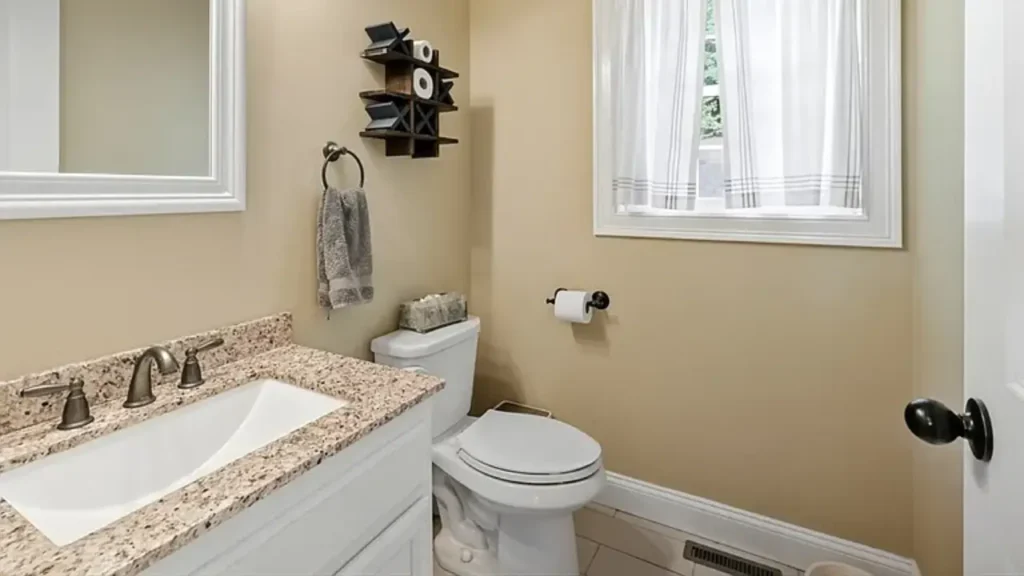
The tradeoff is that lower-sheen finishes can be harder to clean than glossier products, although modern formulations vary.
2. Eggshell
Eggshell has a subtle sheen that sits between flat and higher-sheen finishes.
It provides more reflectivity than flat paint without creating a highly glossy appearance. Because of that balance, eggshell is commonly used on interior walls in areas such as living rooms, dining rooms, bedrooms, and other residential spaces.
It can provide a softer appearance while offering more practical durability than a very flat finish.
3. Satin
Satin has more sheen than eggshell.
That additional sheen can make a surface easier to clean and more resistant to everyday wear, although performance varies by product.
Satin can be a good option for areas that receive regular activity, such as hallways and frequently used living spaces.
Some manufacturers also group similar low- to medium-sheen finishes under names such as pearl or low-lustre.
4. Semi-Gloss
Semi-gloss is noticeably more reflective.
Because higher-sheen surfaces are generally easier to clean and can be more stain-resistant, semi-gloss is often considered for areas and surfaces that need regular cleaning.
Common applications can include:
- Doors
- Trim
- Cabinets
- Wainscoting
- Bathrooms
- Kitchens
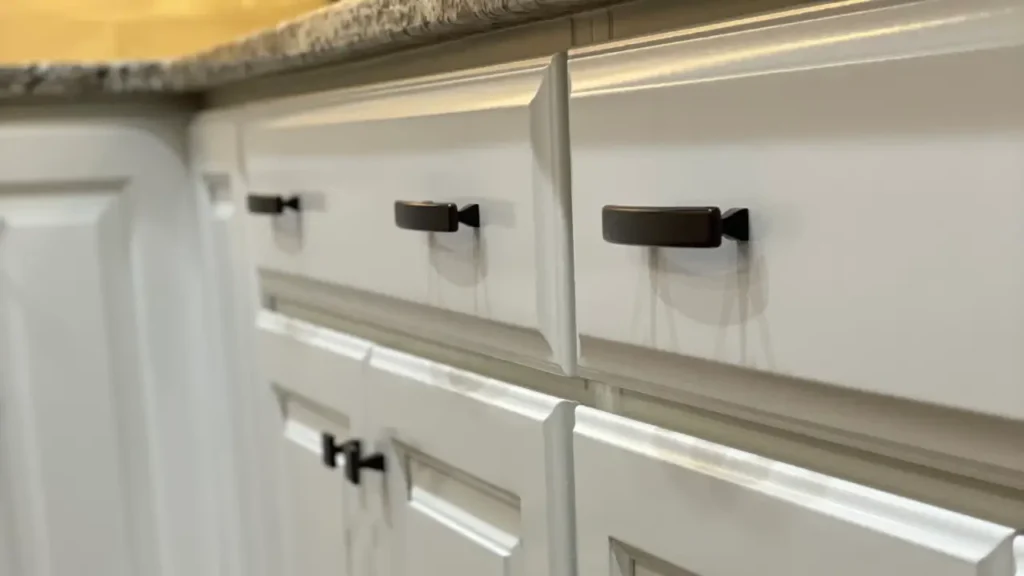
However, there is a tradeoff. More sheen means more reflected light, which can make surface imperfections easier to see.
That is why proper preparation becomes especially important when using a higher-sheen finish.
5. Gloss
Gloss sits at the high end of the sheen scale.
It creates a highly reflective appearance and can draw attention to architectural details, doors, trim, cabinets, and other surfaces where a strong visual effect is desired.
Because gloss reflects so much light, it can also highlight imperfections that a flat finish would make less noticeable.
For that reason, gloss is often used selectively rather than across every wall in a home.
Which Paint Finish Should You Choose?
There isn’t one finish that is automatically best for every room.
Instead, think about three things:
How much traffic does the area receive?
A busy hallway has different needs from a rarely used guest room.
How much cleaning will the surface need?
Higher-sheen products are generally easier to clean.
How much do you want the surface imperfections to show?
Lower-sheen finishes tend to hide imperfections better, while glossier finishes reflect more light and can make them more noticeable.
Does Paint Finish Change the Color?
Yes, it can change how a color appears.
Two samples of the same color can look different when one is flat and another is glossy because the amount of reflected light changes.
That’s why looking at a color only on a small digital screen—or even on a paint chip—doesn’t always tell you exactly how it will look on the finished wall.
Lighting, room orientation, surrounding colors, and sheen can all influence the appearance.
What Finish Is Best for Trim?
Trim is one area where homeowners often choose a higher-sheen finish.
Semi-gloss and gloss are commonly used on doors, trim, cabinets, and architectural details. Benjamin Moore’s finish guide, for example, lists semi-gloss and gloss among the finishes commonly used for trim and doors.
However, there is no universal rule.
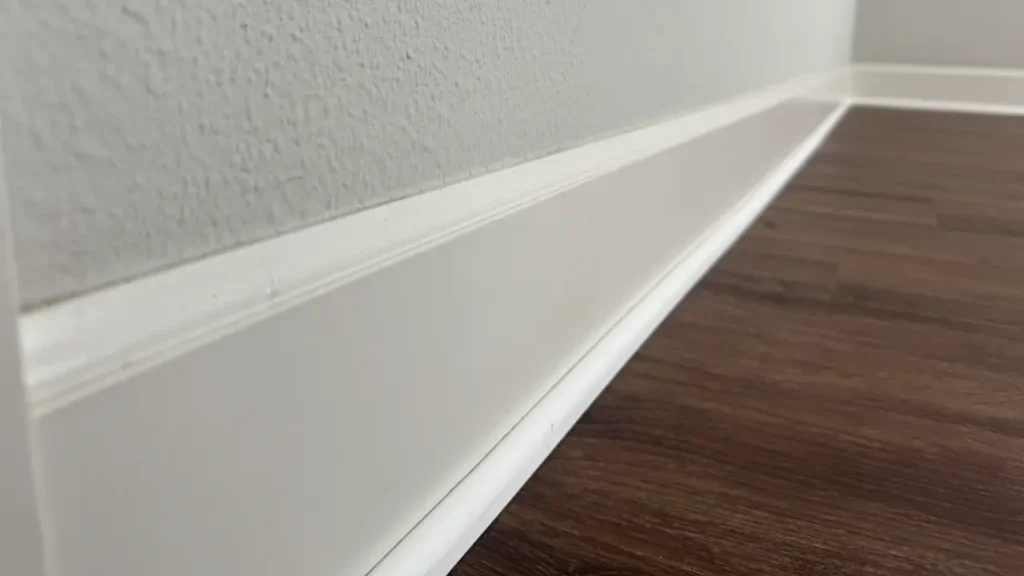
The existing surface, desired appearance, paint product, and condition of the trim should all be considered before making a decision.
What Finish Is Best for Ceilings?
Flat finishes are commonly used on ceilings because their low reflectivity helps minimize attention to surface imperfections.
That’s particularly useful on ceilings, where unevenness can become noticeable when light reflects across the surface.
Again, though, product formulations vary, so it’s worth checking the manufacturer’s recommendations.
Why Surface Preparation Still Matters
Choosing the right finish won’t compensate for poor preparation.
A glossy finish can actually make imperfections more noticeable. Therefore, sanding, patching, cleaning, caulking, and priming when necessary can be just as important as selecting the color and sheen.
For homeowners in Southampton and the Pioneer Valley, Arcadia Painting Co. provides interior painting services and detailed trim painting services.
Frequently Asked Questions
What are the five most common paint finishes?
Flat, eggshell, satin, semi-gloss, and gloss are five commonly used finishes. Manufacturers may also offer additional categories such as matte, pearl, or high-gloss.
Which paint finish is easiest to clean?
Higher-sheen finishes are generally easier to clean and more resistant to stains than very low-sheen finishes, although the exact performance depends on the product.
What paint finish is best for walls?
Eggshell and satin are commonly used for interior walls, but the best choice depends on the room, surface condition, desired appearance, and specific product.
What finish is best for trim?
Semi-gloss and gloss are commonly used for trim, doors, and other architectural details, but the right choice depends on the look and durability you want.