
If you have a half-used can of exterior paint sitting in the garage, it is understandable to wonder whether you can put it to use inside the house. After all, if the color is right and the paint is still good, why buy another gallon?
So, can you use exterior paint inside?
In general, you should not. Exterior paint is formulated for outdoor conditions, while interior paint is specifically designed for the surfaces and environment inside your home. Benjamin Moore, for example, specifically advises against using its exterior paint products indoors.
The difference is more than just the label on the can. The two types of paint are designed to handle very different conditions.
Why Are Interior and Exterior Paint Different?
A home exterior has to deal with sunlight, rain, humidity, temperature changes, and other weather conditions. Exterior coatings are formulated with those challenges in mind.
Interior walls have a completely different job. Instead of resisting rain and UV exposure, interior paint needs to perform well in an enclosed environment and withstand the everyday wear that comes with living in a home.
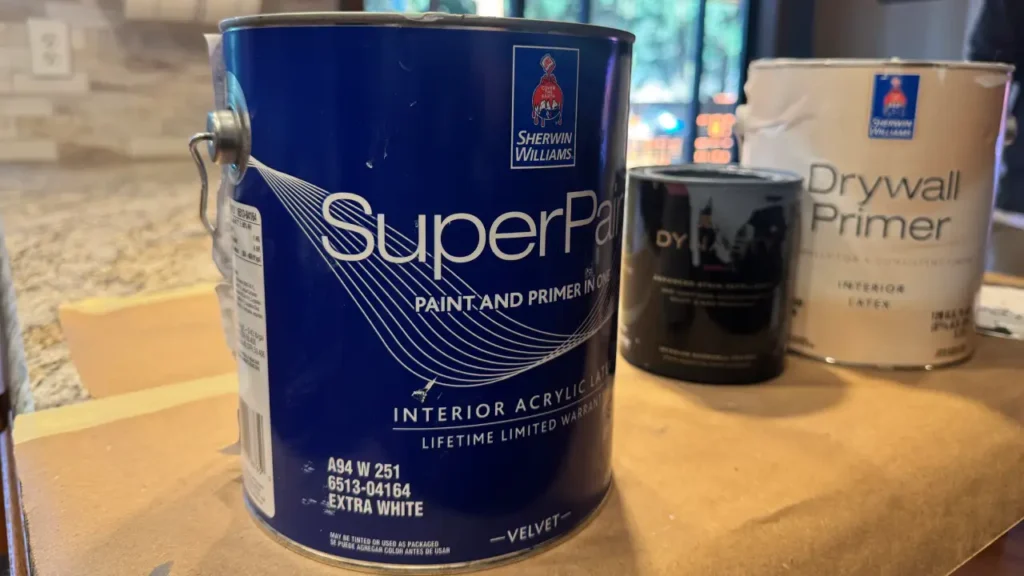
That includes things such as fingerprints, scuffs, cleaning, furniture rubbing against walls, and regular household activity.
Because of these different requirements, manufacturers formulate interior and exterior products differently. Benjamin Moore notes that exterior coatings are designed for weather fluctuations, UV exposure, and moisture, while interior products are formulated with everyday indoor wear and cleanability in mind.
Why Not Just Use Exterior Paint Because It Is More Durable?
This is one of the most common assumptions.
It may seem logical that if exterior paint is made to survive harsh weather, it must automatically be better for an interior wall. However, durability is not the only consideration.
A coating is designed around the environment where it will be used. Exterior paint has characteristics that make sense outdoors but aren’t necessarily desirable inside an occupied home.
For that reason, more durable does not automatically mean more appropriate.
The same principle works in reverse. Interior paint generally should not be used on exterior surfaces because it is not formulated to withstand the same outdoor exposure.
What About Paint Fumes and Indoor Air?
Another reason to pay attention to the product label is indoor air quality.
Paints can release volatile organic compounds, or VOCs, during application and drying. The amount varies considerably between products, so it is important to check the specific product’s technical information rather than assuming every exterior paint has the same formulation.
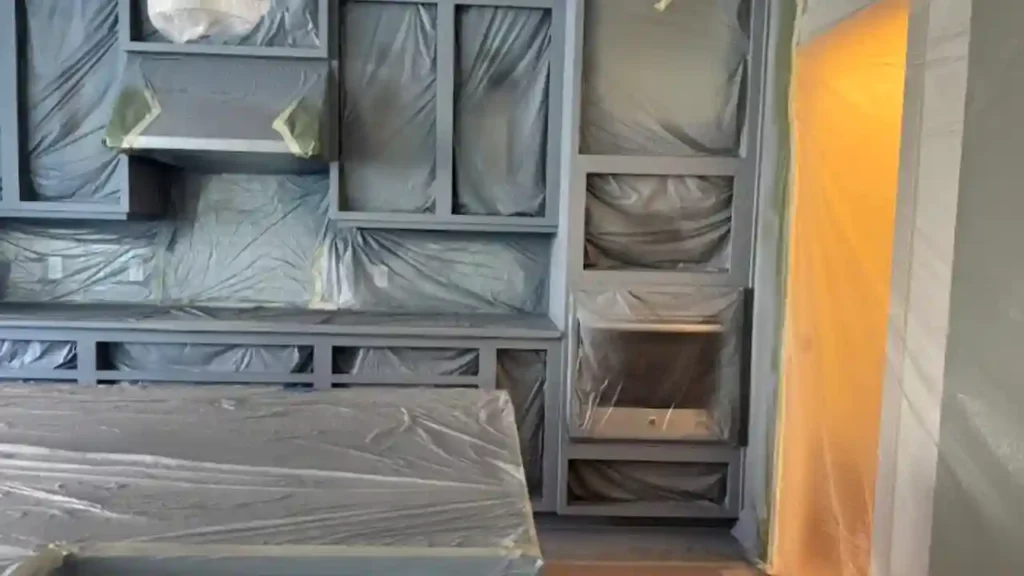
Because an interior space is enclosed, using a product that was not intended for indoor use can create unnecessary concerns about fumes and ventilation.
That is one reason manufacturers develop products specifically for interior applications.
If you’re unsure about a leftover can of paint, check the label and manufacturer’s instructions before opening it. Don’t assume that because the paint is water-based or because you’ve used the brand before, it is automatically appropriate for every surface.
What Should You Use Instead?
For interior walls, ceilings, trim, and other indoor surfaces, choose a coating specifically labeled for interior use.
You should also consider the surface itself.
For example, the best product for a bedroom wall may not be the same product you would choose for:
- A bathroom
- Kitchen walls
- Baseboards
- Door trim
- Window trim
- Cabinets
- High-traffic hallways
The finish matters, too. A low-sheen product may be a good fit for some walls or ceilings, while a more washable finish can make sense in areas that see more traffic.
So, rather than looking for the toughest paint available, think about what the surface needs to handle.
What If You Already Used Exterior Paint Inside?
If you’ve already applied exterior paint indoors, don’t automatically assume that the entire project needs to be stripped immediately.
First, identify the exact product you used. Check the label or manufacturer’s technical documentation to determine whether the product is approved for interior use.
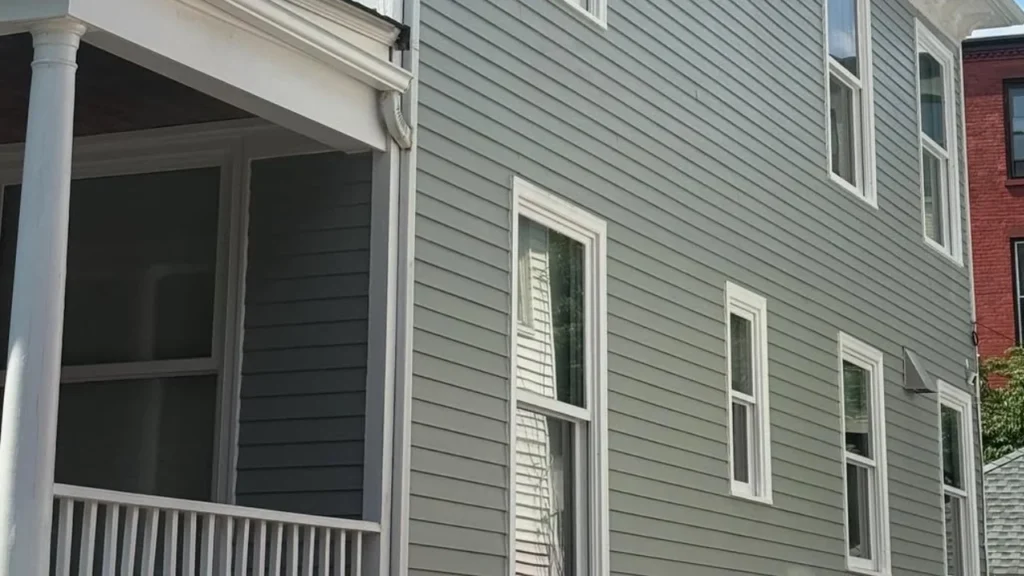
If the product is specifically labeled for exterior use only, contacting the manufacturer or a qualified painting professional is a better next step than guessing what to do.
The appropriate solution can depend on the product, surface, amount applied, and condition of the coating.
Can You Use Interior Paint Outside?
Generally, this is also a bad idea.
Exterior surfaces are exposed to conditions that interior paint isn’t designed to withstand. Sunlight, rain, moisture, and temperature fluctuations can cause an unsuitable coating to deteriorate prematurely.
In other words, interior and exterior paints are not interchangeable simply because they may look similar in the can.
Each product is designed for a particular environment.
How Do You Know Which Paint to Buy?
Before purchasing paint, start with the surface and location.
Ask yourself:
Where is the surface?
Is it inside, outside, or somewhere in between?
What material are you painting?
Drywall, wood trim, siding, masonry, and previously painted surfaces may require different preparation and products.
How much wear will the surface receive?
A hallway or kitchen may need a different finish from a formal dining room or ceiling.
What does the manufacturer recommend?
The product label and technical data are the best place to confirm where a specific coating is intended to be used.
That simple check can prevent a lot of unnecessary work later.
Choosing the Right Paint Is Only the Beginning
A good painting result isn’t just about choosing the right can of paint.
Surface preparation, repairs, priming when needed, application technique, and choosing an appropriate finish all contribute to the final result.
For homeowners planning an interior project in Southampton and the surrounding Pioneer Valley, Arcadia Painting Co. provides interior painting services designed around the specific needs of the home.
If your project also includes siding, trim, or other outdoor surfaces, you can learn more about Arcadia’s exterior painting services.
Frequently Asked Questions
Can you use exterior paint inside?
Generally, no. Exterior paint is formulated for outdoor conditions and manufacturers such as Benjamin Moore recommend using interior-specific products indoors. Always check the label and manufacturer’s instructions for the specific product.
Is exterior paint stronger than interior paint?
Not necessarily. The two are designed for different environments. Exterior paint is formulated for weather exposure, while interior paint is designed around indoor wear, cleanability, and other household conditions.
Can you use interior paint outside?
Generally, no. Interior paint is not formulated to withstand the weather conditions that exterior surfaces experience.
Should you use the same paint throughout your house?
Not necessarily. Different rooms and surfaces can have different requirements, so the appropriate product and finish can vary from walls to trim, ceilings, kitchens, and bathrooms.