If you’re thinking about painting your home, one of the first questions that probably comes to mind is: how much do painters charge?
It’s a fair question, but there isn’t one price that applies to every painting project.
The cost of hiring a painter depends on the size of the project, the condition of the surfaces, the amount of preparation required, the type of paint, accessibility, and the scope of work.
That’s why two homes that look similar on paper can end up with very different painting estimates.
What Determines How Much Painters Charge?
The biggest factor is usually the scope of the work.
A single bedroom with clean, smooth walls is a very different project from painting an entire house with damaged surfaces, multiple colors, detailed trim, and extensive preparation.
Here are some of the factors a professional painter may consider.
1. Size of the Project
The larger the area, the more time and materials are generally required.
Contractors may estimate based on square footage, the number of rooms, the surfaces being painted, or the overall scope of the project. There isn’t one universal pricing method.
Current industry cost guides show that professional painters may price work by square footage, the project itself, hourly labor, daily rates, or time and materials, depending on the contractor and job.
2. Surface Preparation
This is one of the biggest factors homeowners sometimes overlook.
Before paint can be applied, the surface may need to be cleaned, scraped, sanded, patched, caulked, or primed.
For example, walls with peeling paint or damaged drywall require considerably more preparation than smooth surfaces that are already in good condition.
And although preparation isn’t always the most visible part of a painting project, it can have a major impact on the finished result.
3. Interior vs. Exterior Painting
Interior and exterior projects have different requirements.
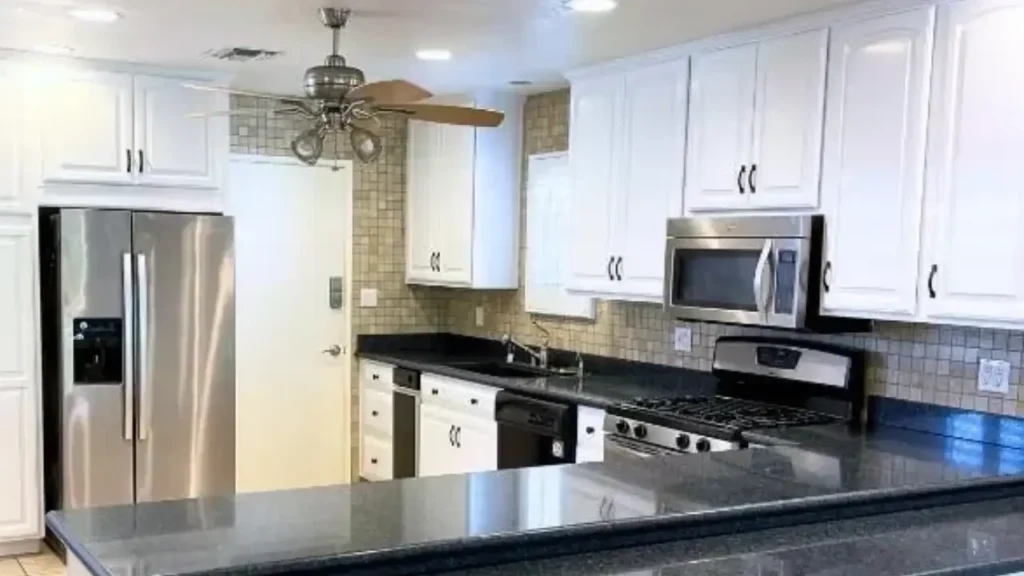
Interior painting may involve protecting floors and furniture, working carefully around trim and fixtures, repairing walls, and maintaining clean lines.
Exterior painting can involve siding, trim, doors, decks, ladders, surface cleaning, scraping, and other preparation.
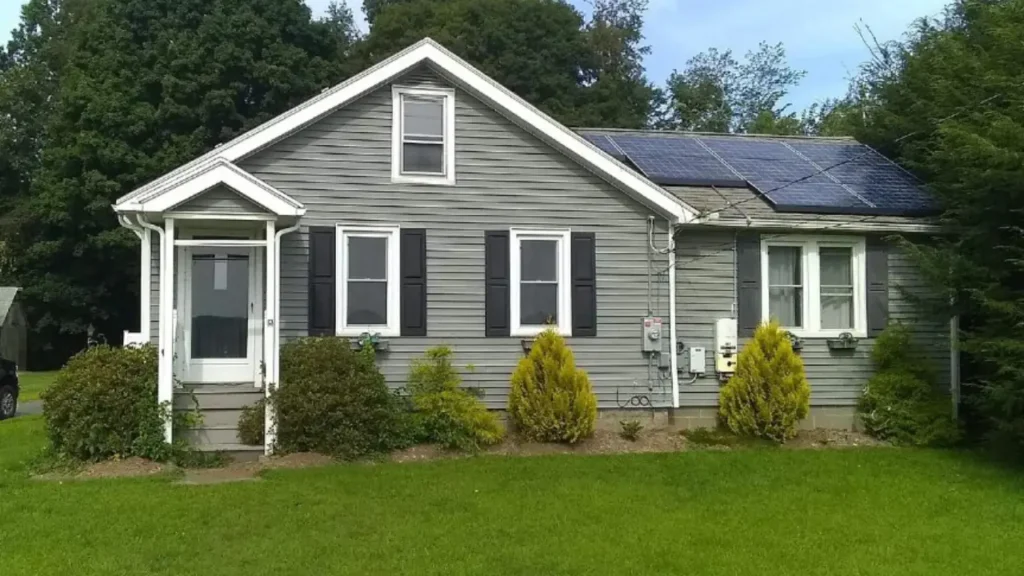
Weather and access can also affect an exterior project’s schedule.
4. Type and Condition of the Surface
Not every surface takes paint the same way.
Drywall, wood, siding, previously painted surfaces, and detailed trim can all require different preparation and application techniques.
For example, painting window trim or intricate architectural details can take more time than painting a large, uninterrupted wall.
5. Paint and Materials
The products selected for the project also affect the overall cost.
Different paints have different price points, coverage characteristics, and performance features.
The amount of paint required depends on the surface area, number of coats, color change, surface condition, and product.
So, when comparing estimates, it’s worth asking what products and materials are included.
How Much Do Painters Charge Per Square Foot?
You may see painting prices advertised by square foot, but this shouldn’t be treated as a universal rate.
For example, two rooms with the same floor area may require completely different amounts of work if one has high ceilings, extensive trim, damaged walls, or difficult access.
Current cost guides do use square-foot pricing for some painting projects, but contractors may also use project-based or other estimating methods.
That’s why a detailed estimate is generally more useful than multiplying a generic online rate by your home’s square footage.
Do Painters Charge by the Hour or by the Day?
Some contractors may use hourly or daily labor rates, while others primarily quote the entire project.
The approach depends on the contractor, type of work, and scope.
A small repair or touch-up may be easier to price based on time and materials. A complete interior or exterior repaint may be better suited to a project-based estimate.
There isn’t a single method that’s right for every situation.
Why Can Painting Estimates Be So Different?
Suppose you receive three estimates for the same house.
One is significantly lower than the others.
That doesn’t automatically mean it’s the better deal—or that the other contractors are overcharging.
The estimates may include different levels of preparation, materials, coats, repairs, or cleanup.
Before comparing the numbers, compare the scope of work.
Ask:
- What surfaces are included?
- How much preparation is included?
- Are repairs included?
- How many coats are planned?
- What paint products will be used?
- Is trim included?
- Who handles cleanup?
- Are there any exclusions?
A clear estimate makes it much easier to understand what you’re actually paying for.
How Can You Get a More Accurate Painting Estimate?
The best starting point is to provide the painter with as much information as possible.
Tell them which rooms or exterior surfaces you want painted. Point out areas that need repair or special attention. If you’re considering a color change, mention that as well.
Then, when possible, have the contractor evaluate the property and surfaces directly.
That gives the painter an opportunity to identify preparation work, access issues, trim details, and other factors that aren’t always obvious from photos or measurements alone.
Is Hiring a Professional Painter Worth It?
That depends on your project and your priorities.
Painting a small room yourself can certainly be manageable for a homeowner with the time, tools, and patience to do it.
Larger projects are another matter.
Professional painters bring experience with preparation, application, coverage, detailed edges, equipment, and project organization. They can also save homeowners a significant amount of time.
The key is to choose a contractor based on more than price.
Look for experience, reviews, clear communication, a detailed estimate, and a clear understanding of what the project includes.
Planning a Painting Project in Southampton?
Arcadia Painting Co. provides interior painting services, exterior painting services, and deck and fence painting services for homeowners throughout Southampton and surrounding Pioneer Valley communities.
If you’re comparing painting costs, the best next step is to get an estimate based on your actual property rather than relying on a generic number from the internet.
Frequently Asked Questions
How much do painters charge?
Painting costs vary based on project size, preparation, surfaces, materials, access, and labor. A project-specific estimate is the best way to determine the expected cost.
How much do painters charge per square foot?
Some contractors use square-foot pricing, but there is no universal rate. Surface condition, preparation, trim, accessibility, and the scope of work can all affect the final price.
Do painters charge by the day?
Some may, while others use project-based, hourly, or time-and-material pricing. The method varies by contractor and project.
What makes a painting estimate more expensive?
Extensive preparation, repairs, difficult access, large areas, detailed trim, additional coats, and higher-cost materials can all increase the amount of work and therefore the project cost.